
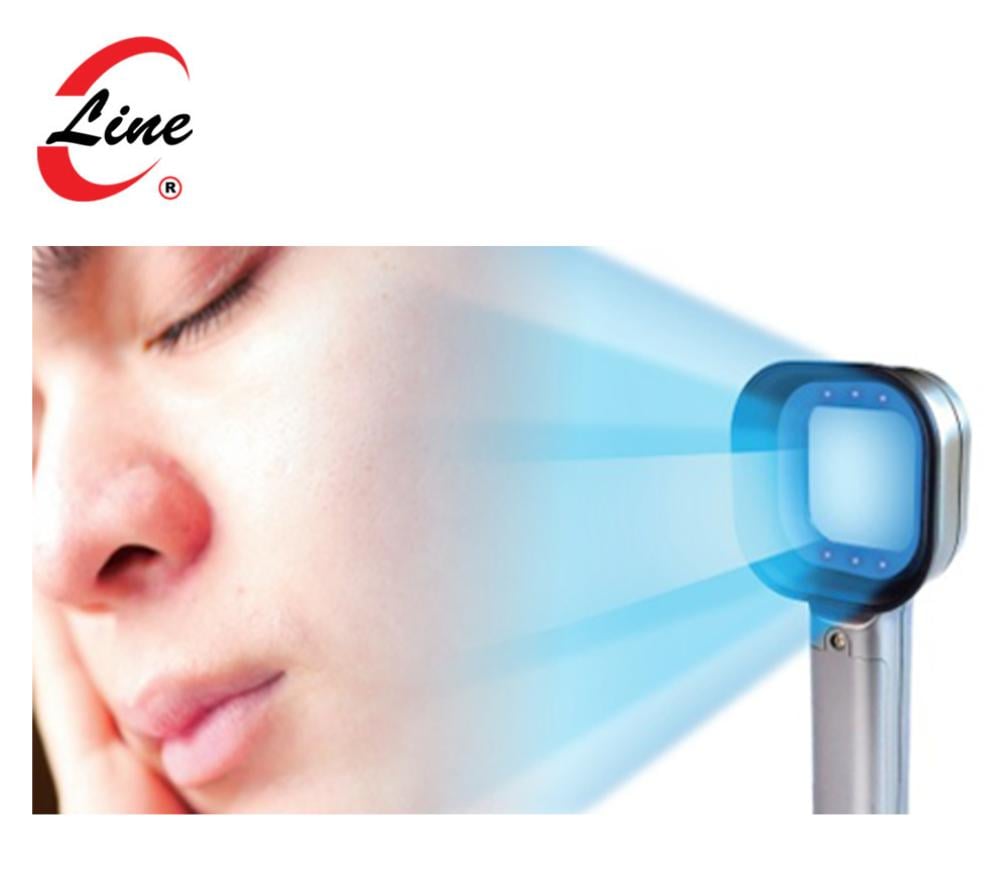
Lighting - LED Wood/Black Light W/Magnifying - ZF600W HFMED
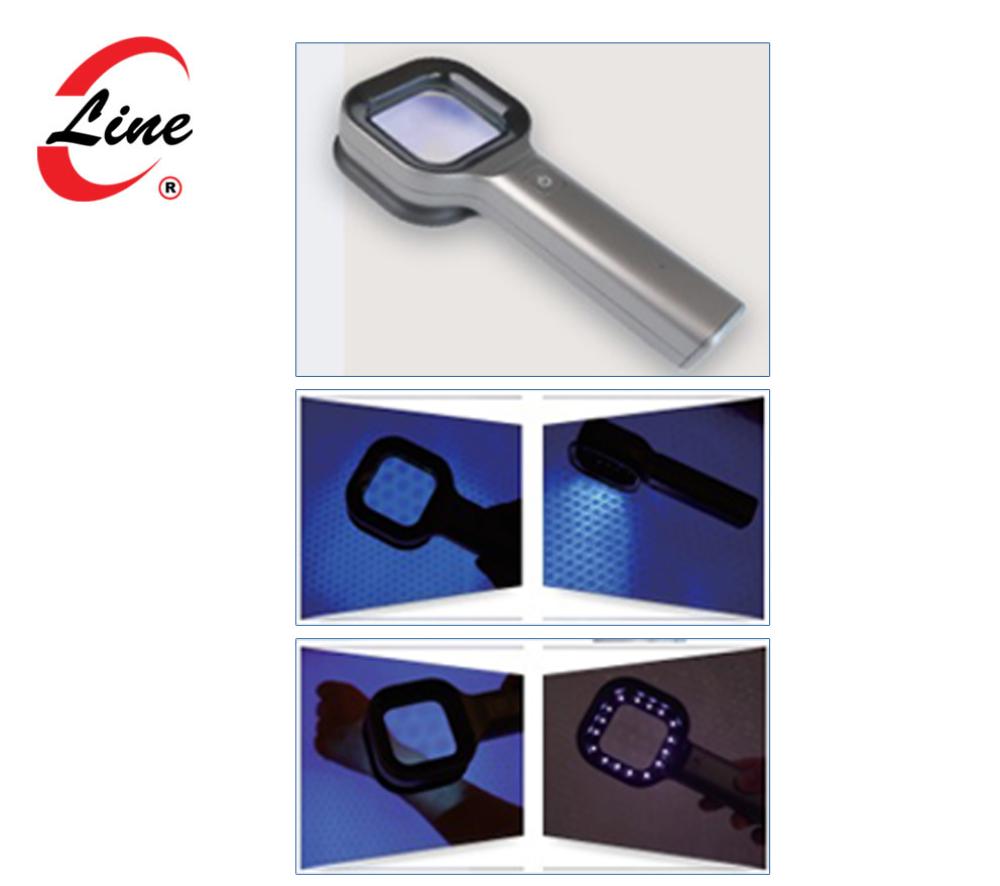
The Skin Examination Lamp (Wood’s Light Model ZF600W) from HFMED represents the advanced generation of optical diagnostic tools, combining LED-powered ultraviolet (UV) technology with a high-definition magnifying lens. Designed to enable dermatologists and veterinarians to detect bacterial and fungal infections and pigmentation disorders invisible to the naked eye, this device ensures accurate and rapid clinical diagnosis by revealing skin issues through specific fluorescent colors.
The importance of the Skin Examination Lamp lies in its ability to provide an "optical map" of skin conditions. It helps distinguish between types of pigmentation (such as Vitiligo and Melasma) and detects infections like Tinea Capitis or acne-causing bacteria. The presence of a magnifying lens alongside advanced LED lighting reduces the margin of error in clinical diagnosis, allowing for the immediate start of the correct treatment protocol based on confirmed visual results.
Darken the room lighting to ensure the clarity of the fluorescent colors produced by the device.
Turn on the Wood's Light mode and direct the lamp toward the area to be examined from a distance of 5 to 10 cm.
Look through the magnifying lens to observe fluorescence (e.g., yellow/green indicates fungi, while bright white indicates vitiligo).
Switch to the white LED mode for standard external examination and auditing skin surface details.
What is the difference between this model and traditional ones?
The ZF600W model utilizes LED technology for clearer illumination and a longer lifespan, integrating diagnostic UV light, white light, and a magnifier into a single device.
Does the device require frequent bulb replacements?
No, thanks to the integrated LED technology, the bulbs last for thousands of hours of continuous operation without the need for periodic maintenance or replacement.
Is the magnifying lens comfortable for the eyes during examination?
Yes, the lens is designed to provide a wide, clear view without image distortion, making it easy for the physician to focus on very small lesions.
Click here to view the catalog and technical specifications